Did you know that over 96% of real estate brokers report increased productivity after implementing a CRM? That staggering statistic underscores the transformative power of Customer Relationship Management (CRM) systems in the real estate industry. In an environment where staying organized and building strong client connections is paramount, a CRM can serve as your strategic ally, streamlining operations and enabling you to close more deals. This article explores the myriad benefits of CRM in the real estate industry, guiding you through its features, advantages, and how to effectively implement it in your business.
Toc
- 1. Understanding the Power of CRM in Real Estate
- 2. The Benefits of Implementing a CRM in Real Estate Industry
- 3. Related articles 01:
- 4. Choosing the Right CRM for Your Real Estate Business
- 5. Implementing and Using Your CRM Effectively
- 6. Related articles 02:
- 7. CRM in Real Estate: The Future is Now
- 8. FAQ
- 9. Conclusion
Understanding the Power of CRM in Real Estate
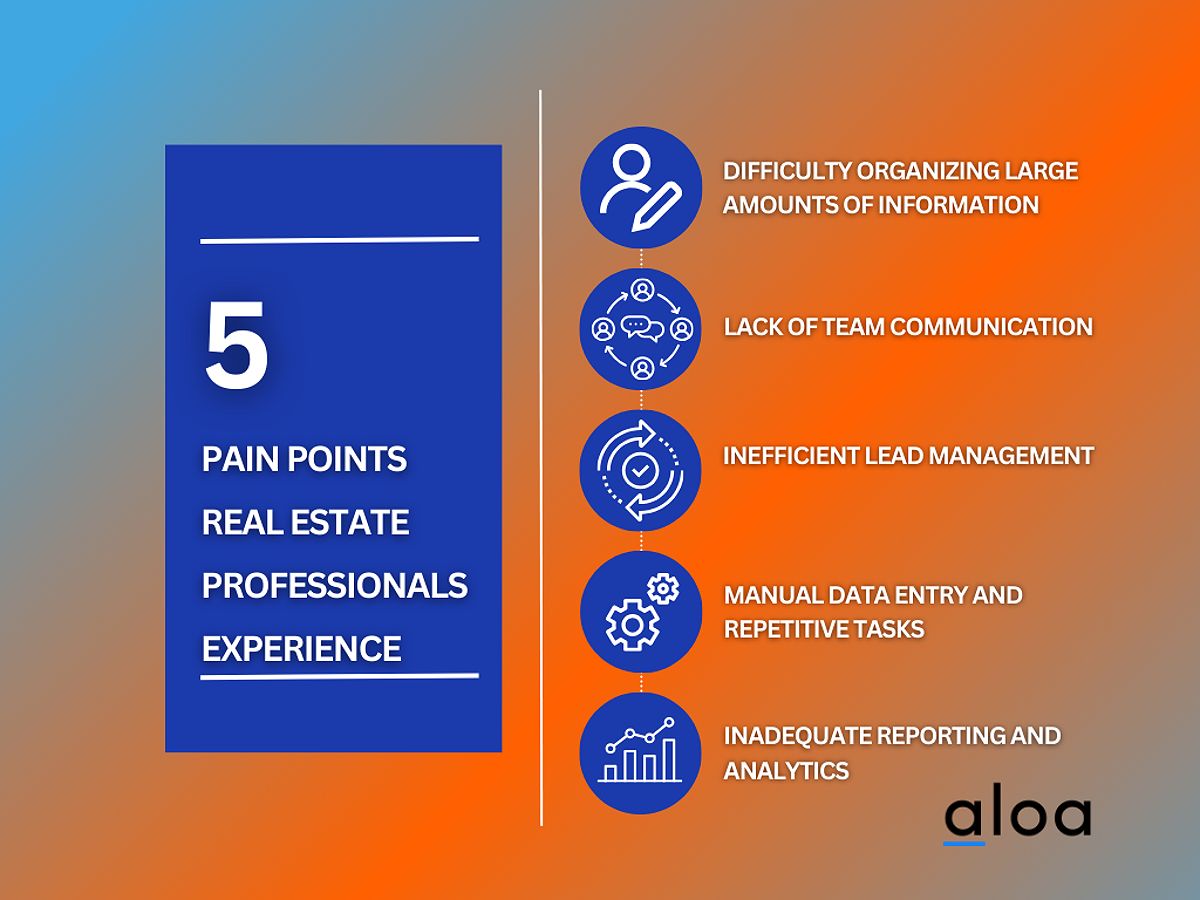
Navigating the real estate landscape is no small feat. Whether you’re an agent, broker, or part of a larger firm, managing client relationships, tracking leads, and overseeing property listings can quickly become overwhelming. A CRM in the real estate industry acts as a centralized hub, offering tools that simplify these tasks and enhance your overall efficiency.
Key Features of a Real Estate CRM
-
Contact Management:
One of the foundational features of a CRM is its ability to maintain comprehensive records of your clients. This includes detailed information about their preferences, past interactions, and specific needs. By having this data readily available, agents can tailor their communication, fostering deeper connections and ensuring that no client feels overlooked.
-
Interaction Tracking:
Keeping tabs on every touchpoint with clients—from emails and phone calls to meetings—can significantly enhance your follow-up strategy. A robust CRM allows you to monitor these interactions, enabling personalized communication that anticipates client needs and builds stronger relationships.
-
Task Management:
With countless responsibilities vying for your attention, effective task management is crucial. A CRM can help organize tasks, set reminders, and prioritize your daily activities, ensuring that you focus on what matters most—providing exceptional service to your clients.
-
Pipeline Visualization:
Understanding where each lead stands in the sales process is vital. A CRM provides visualization tools that offer clarity into your sales pipeline, allowing you to identify opportunities and potential obstacles at a glance. This insight empowers you to make informed decisions and strategically manage your sales efforts.
-
Reporting and Analytics:
Data is a powerful tool in real estate. A CRM enables you to track key metrics, measure the effectiveness of your marketing strategies, and assess overall performance. By leveraging this data, you can make informed adjustments to enhance your business strategies and drive growth.
-
Marketing Automation:
While not always highlighted, marketing automation can be a game-changer for real estate professionals. Automating follow-up communications and marketing campaigns can save time and ensure consistent engagement with leads.
Statistics show that a significant number of real estate professionals who utilize CRM systems experience a marked improvement in productivity and sales conversion rates, reinforcing the value of these tools in the industry.
The Benefits of Implementing a CRM in Real Estate Industry
Investing in a CRM tailored for the real estate industry can yield substantial benefits, ultimately driving your business toward greater success. Here’s a closer look at how a CRM can transform your operations:
1. https://viralblogspost.com/industrial-psychology-masters-online
3. https://viralblogspost.com/global-industrial-distribution-inc
4. https://viralblogspost.com/factoring-companies-for-trucking-industry
5. https://viralblogspost.com/project-management-software-for-construction-industry
Improved Client Relationships
Personalization is key in the real estate market. A CRM allows you to provide tailored, attentive service, nurturing trust and loyalty among clients. By automating follow-up communications and maintaining detailed client profiles, you can ensure that every interaction is meaningful and relevant. This level of attention not only boosts customer satisfaction but also increases the likelihood of repeat business and referrals.
Increased Productivity
One of the most significant advantages of a CRM is the enhancement of productivity. By automating administrative tasks such as data entry and scheduling, you free up valuable time to focus on high-impact activities like client consultations and property showings. This shift in focus can directly translate into higher sales and revenue, as you dedicate more energy to nurturing leads and closing deals.
Data-Driven Decision-Making
In a data-rich environment like real estate, the ability to make informed decisions is invaluable. A CRM provides access to a wealth of information, from lead sources to sales performance metrics. Analyzing this data allows you to identify trends, make strategic adjustments to your marketing efforts, and refine your pricing strategies. This proactive approach to decision-making positions your business for long-term success.
Enhanced Team Collaboration
Collaboration is essential in any real estate business, especially when multiple team members are involved. A centralized CRM platform facilitates information sharing and coordination among team members, enhancing communication and accountability. With everyone on the same page, your team can work more cohesively towards common goals.
Increased Revenue
Ultimately, the goal of any business is to drive revenue. By streamlining operations, nurturing client relationships, and making informed decisions based on data, a CRM can significantly contribute to your bottom line. The improved efficiency and effectiveness of your sales process can lead to a noticeable increase in overall sales volume.
Choosing the Right CRM for Your Real Estate Business
Selecting the right CRM for your real estate business can feel overwhelming given the plethora of options available. Here are some key considerations to guide your decision-making process:
Budget
When evaluating CRM options, consider your budget. Pricing models can vary widely, from subscription-based plans to per-user fees. It’s crucial to assess the features offered at each price point to ensure you’re getting the best value for your investment. Remember, a more expensive solution may provide greater long-term benefits that justify the cost.
Features
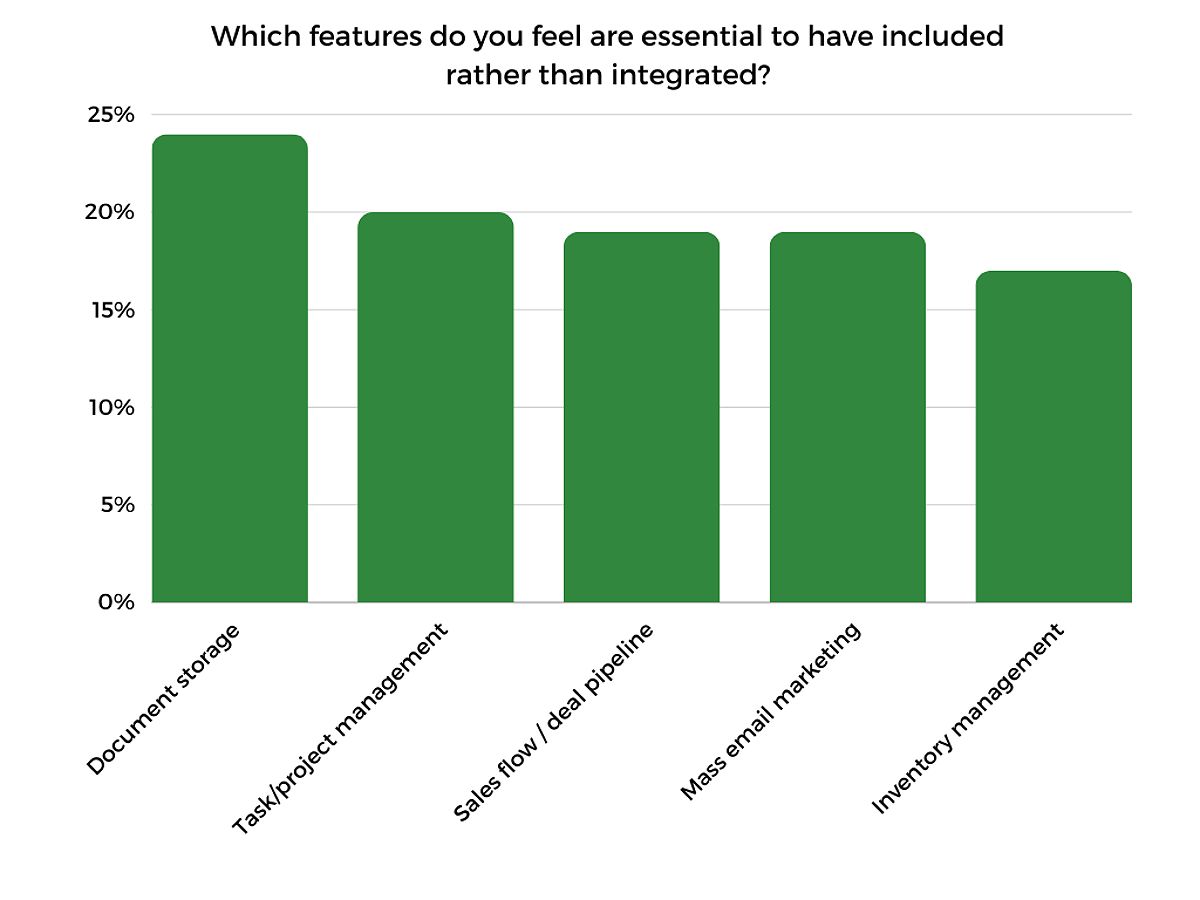
Identify the essential features that align with your business needs. Look for functionalities such as contact management, pipeline visualization, and marketing automation. Prioritizing these features will help narrow down your options to those that will have the most significant impact on your success.
Ease of Use
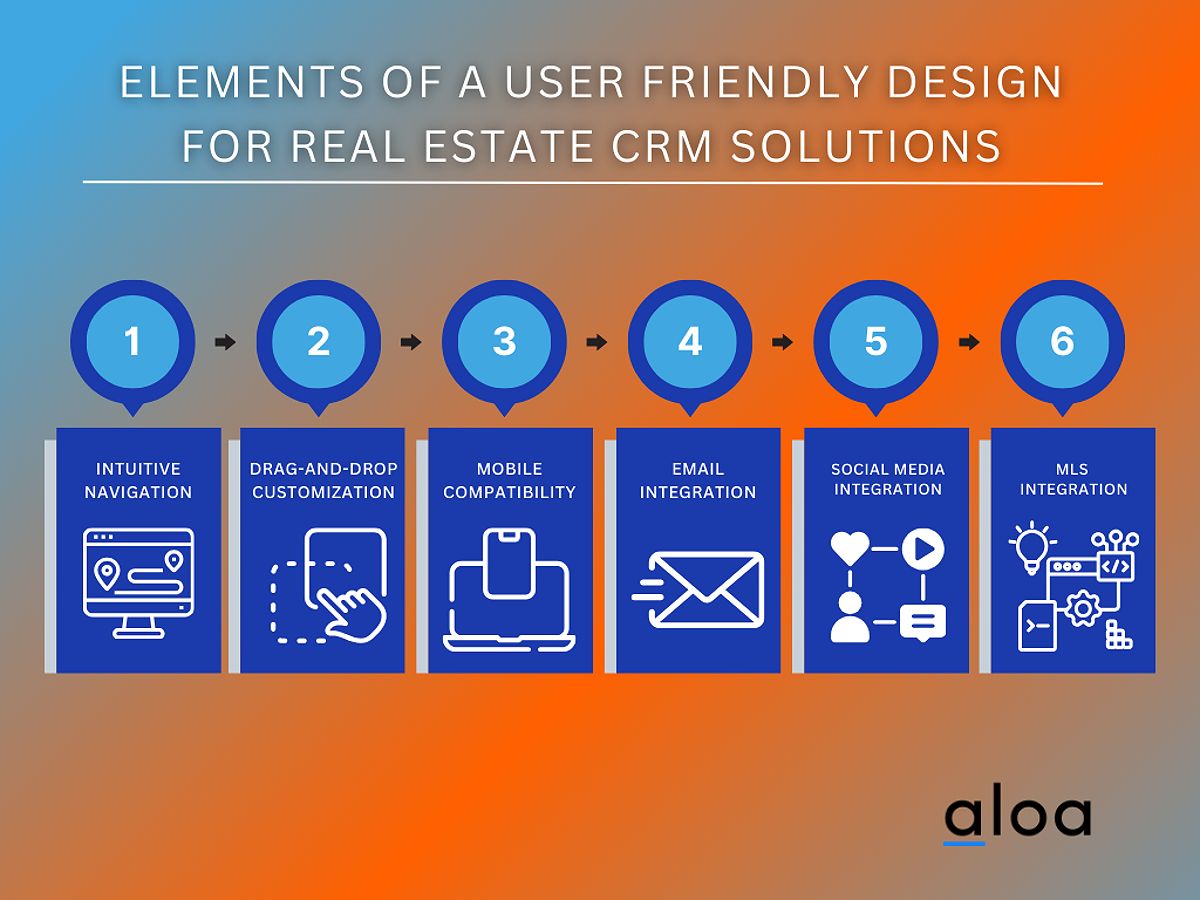
A user-friendly interface is vital for efficient CRM adoption. Look for systems that are intuitive and easy to navigate. Additionally, consider the training and support resources available to ensure a smooth onboarding process. A CRM that your team can quickly learn will facilitate faster adoption and integration into your daily operations.
Integrations
Ensure the CRM you choose can seamlessly integrate with the other tools and software you use, such as email marketing platforms and property management systems. Effective integration capabilities enhance the functionality of your CRM, creating a more streamlined workflow.
Security
Data security is paramount in today’s digital landscape. Choose a CRM provider that offers robust security measures, including data encryption and access controls, to protect sensitive client information. Compliance with relevant data privacy regulations is also crucial.
As you explore CRM options, consider requesting demos or free trials from different providers. Reading reviews and testimonials from other real estate professionals can provide valuable insights, and consulting with a technology expert can offer personalized guidance tailored to your specific needs.
Implementing and Using Your CRM Effectively
Once you’ve chosen a CRM, effective implementation and usage are crucial for maximizing its benefits. Here are some practical steps to ensure your CRM is successfully integrated into your operations:
Onboarding and Training
The success of your CRM largely depends on how well your team understands and utilizes it. Allocate time for comprehensive training, whether through online courses, webinars, or in-person workshops. A structured training program can significantly enhance user confidence and competence.
Data Entry and Management
Accurate and consistent data entry is the foundation of an effective CRM. Establish clear guidelines for your team regarding how to input client information, lead details, and property data. Regularly reviewing and maintaining your CRM data will help you unlock its full potential.
Setting Up Workflows and Automations
Take advantage of your CRM’s automation capabilities to boost productivity. Set up workflows and triggers for tasks such as lead nurturing, appointment scheduling, and follow-up emails. Automation not only saves time but also minimizes the risk of human error in repetitive tasks.
1. https://viralblogspost.com/project-management-software-for-construction-industry
2. https://viralblogspost.com/samsung-heavy-industries-co
3. https://viralblogspost.com/process-in-bpo-industry
4. https://viralblogspost.com/the-timeless-allure-of-the-cartier-love-necklace
5. https://viralblogspost.com/enterprise-resource-planning-for-manufacturing-industry
Tracking and Analyzing Data
Regularly tracking and analyzing your CRM data can yield valuable insights that inform your business strategies. Familiarize yourself with the reporting and dashboard features of your CRM to monitor key metrics, identify trends, and make data-driven decisions about your marketing, sales, and property investments.
CRM in Real Estate: The Future is Now
As we move further into 2024, the real estate industry is witnessing a rapid evolution, making CRM systems more critical than ever. Emerging trends such as AI-powered tools and integrations with cutting-edge technologies are poised to revolutionize how real estate professionals interact with clients and manage their businesses.
Emerging Trends
-
AI-Powered Tools:
Innovations such as predictive analytics and lead scoring can help you identify the most promising prospects. Automated communication features ensure timely and personalized outreach, enhancing client engagement.
-
Integration with Other Technologies:
Technologies like virtual reality, blockchain, and smart home systems are becoming increasingly integrated with CRM platforms. These advancements not only streamline the property search and transaction process but also enhance the overall client experience.
By embracing these innovative CRM solutions, real estate professionals can stay ahead of the competition, providing exceptional service and driving efficiency. Adapting to new technologies will differentiate successful agents and firms from those that lag behind.
FAQ
Q: What are some popular real estate CRM providers?
A: Popular real estate CRM providers include LionDesk, Wise Agent, Market Leader, Top Producer, Follow Up Boss, and HubSpot. Each offers unique features that cater to various business needs.
Q: How much does a real estate CRM cost?
A: The cost of a real estate CRM varies based on the provider, features, and number of users. Pricing typically ranges from $30 to $100 per user per month.
Q: Is a CRM right for every real estate business?
A: While most real estate businesses can benefit from a CRM, it may not be necessary for small, solo agents just starting out. Assess your specific business needs and budget before making a decision.
Conclusion
In the fast-paced world of real estate, a CRM system can be the key to unlocking growth and efficiency for your business. By streamlining operations, deepening client relationships, and leveraging data-driven insights, a well-implemented CRM can propel your real estate success to new heights.
As you embark on your journey to optimize your real estate business, consider exploring the CRM solutions that best fit your unique needs and budget. With the right tools and strategies in place, you can navigate the competitive landscape with confidence and position your business for long-term prosperity. Embracing a CRM tailored for the real estate industry is not merely a choice; it’s an essential strategy for thriving in an ever-evolving market.








Leave a Reply